




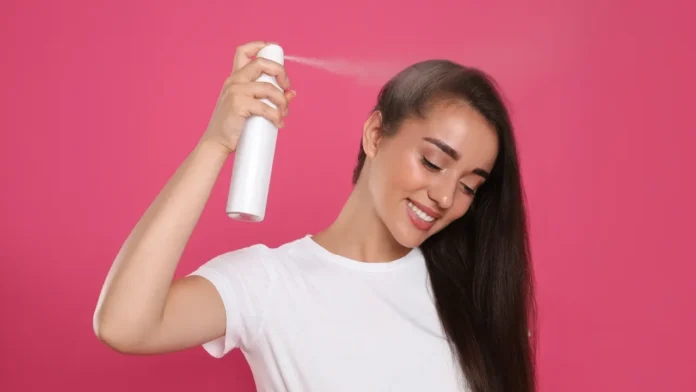
We’ve all been there. You wake up late, your hair looks oily and flat, and there’s you have no time to shower. This is exactly the situation dry shampoo was made for. Unlike regular shampoo, dry shampoo needs no water and no rinsing. just a quick spray and your hair looks like you actually washed it.
What Is Dry Shampoo?
It comes as either a spray or a powder, and honestly, most people go for the spray these days since it’s easier to apply evenly. Here’s the thing though — it doesn’t actually clean your hair. What it does is soak up the extra oil and sweat sitting on your scalp, so your roots stop looking greasy and your hair gets some of its volume back. Think of it less as a shampoo and more as a really good disguise for oily hair.
When Does It Actually Make Sense to Use It?
Dry shampoo isn’t something you reach for every single day. It’s more of a “buy yourself one more day” kind of product. A few situations where it genuinely helps:
- Your hair’s starting to look greasy but you’re not due for a wash yet
- You’re rushing out the door and there’s just no time
- You’re traveling somewhere without easy access to a shower
- You honestly can’t decide if today’s a wash day or not
That said, it’s not a replacement for actually washing your hair. Don’t let it turn into an excuse to skip washing for a week straight.
How to Apply Dry Shampoo the Right Way
A lot of people use dry shampoo wrong and then wonder why it doesn’t work well. Here’s how to actually do it:
- Section your hair. Don’t just spray all over — divide your hair into smaller sections so the product can reach the roots evenly.
- Hold the can at a distance. Spray from about 6 inches away directly onto the roots. A little goes a long way — resist the urge to overdo it.
- Let it sit for a few minutes. Dry shampoo needs a little time to actually absorb the oil. Don’t rush this step.
- Avoid rubbing hair harshly. Vigorous rubbing right after application can undo the effect and leave hair looking messier.
- Blast it out with cold air. Use a hairdryer on the cool setting to shake out any leftover powder and boost volume. Skip the heat — warm air can make the product melt into the scalp and turn hair greasy again.
- Comb it through. Once it’s dried, run a comb through each section so the product distributes evenly and there’s no visible residue.
Tips to Get the Best Results
Using dry shampoo constantly isn’t great for your scalp — the product can build up over time, so try not to lean on it every day. It’s meant to fill the gap between washes, nothing more.
- Don’t overuse it. Using dry shampoo every day can lead to product buildup on your scalp over time, which isn’t great for scalp health.
- Choose a lightweight formula. Look for a dry shampoo that blends in easily, doesn’t leave a white or chalky cast on darker hair, and adds a bit of shine rather than making hair look dull.
- Skip it if you have very dry, curly, or sensitive scalp. These hair and scalp types tend to react poorly to dry shampoo and may end up feeling more irritated or drier.
- Apply section by section. This isn’t just about even coverage — it also helps you use less product overall.
Dry shampoo is a handy shortcut but it won’t replace an actual wash, and it’s not meant to. But for those mornings when you’re short on time, or you’re traveling somewhere without a proper shower, it’s genuinely useful. Just don’t overdo it, pick a formula that suits your hair, and you’ll get that fresh, un-greasy look without touching a drop of water.

